
GREEN CONSTRUCTION
MATERIALS
-
![]()
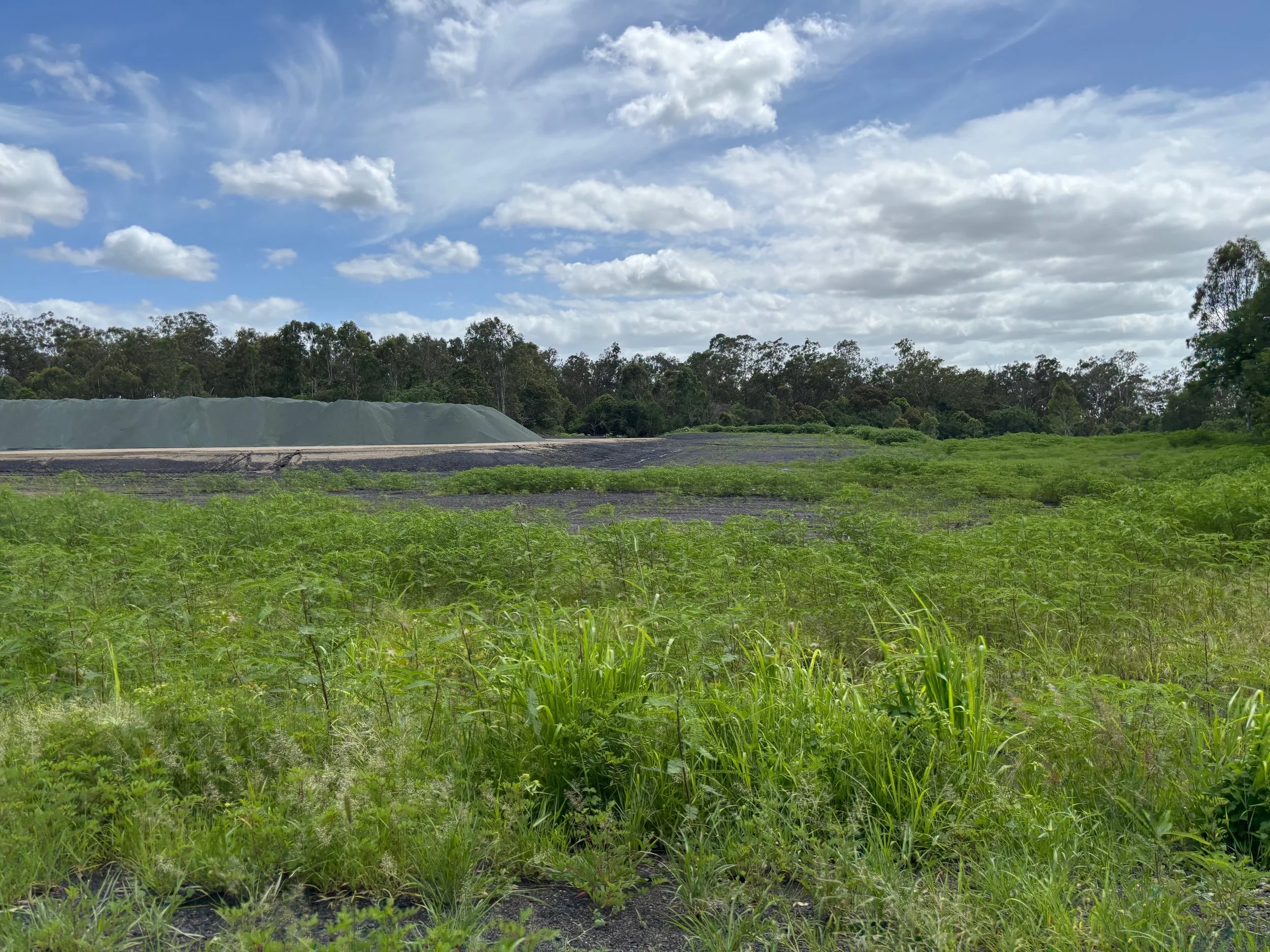
Tivoli site 2025 (stockpile)
-
![]()
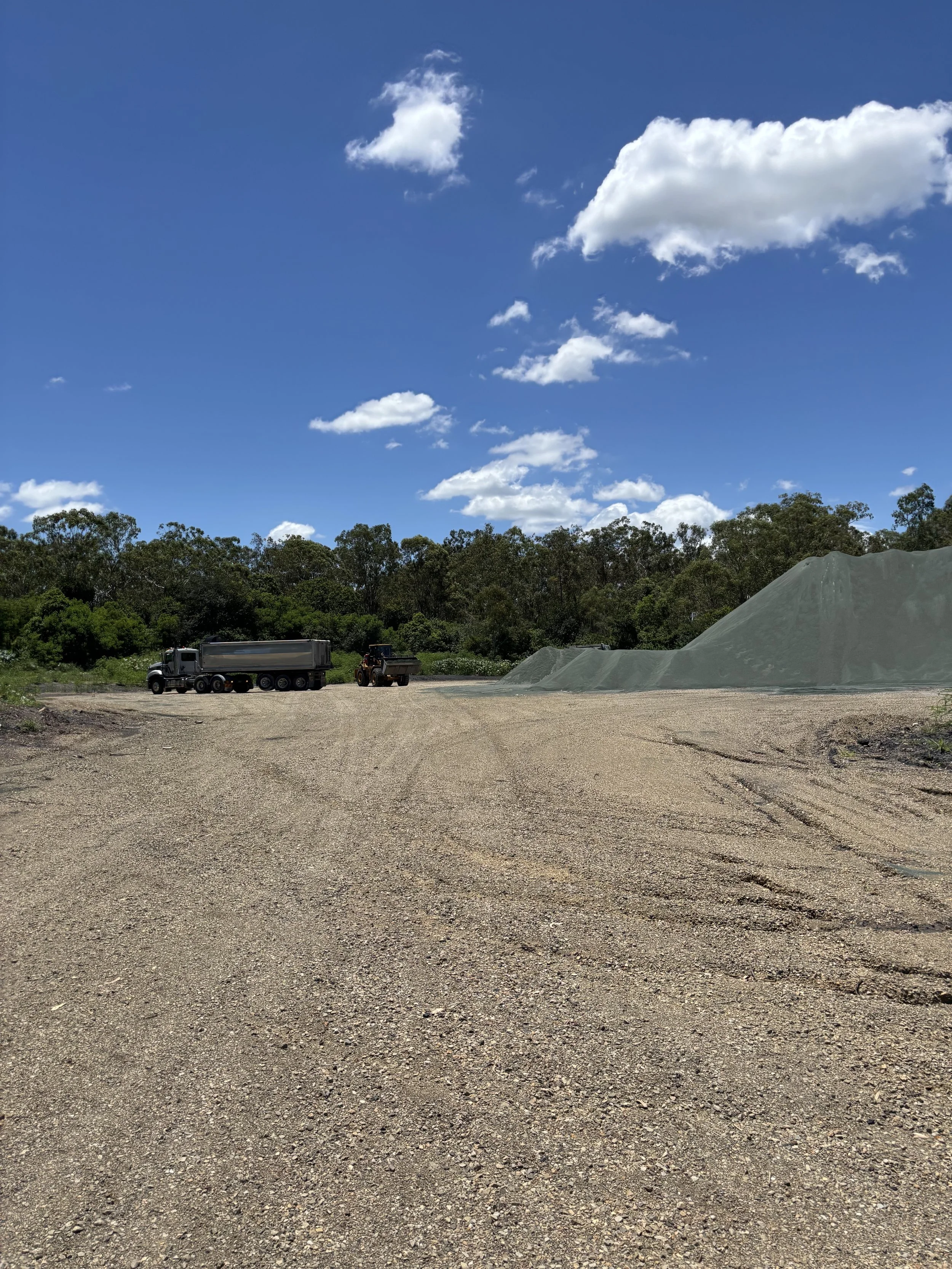
Tivoli site 2025 (material loading)
-
![]()
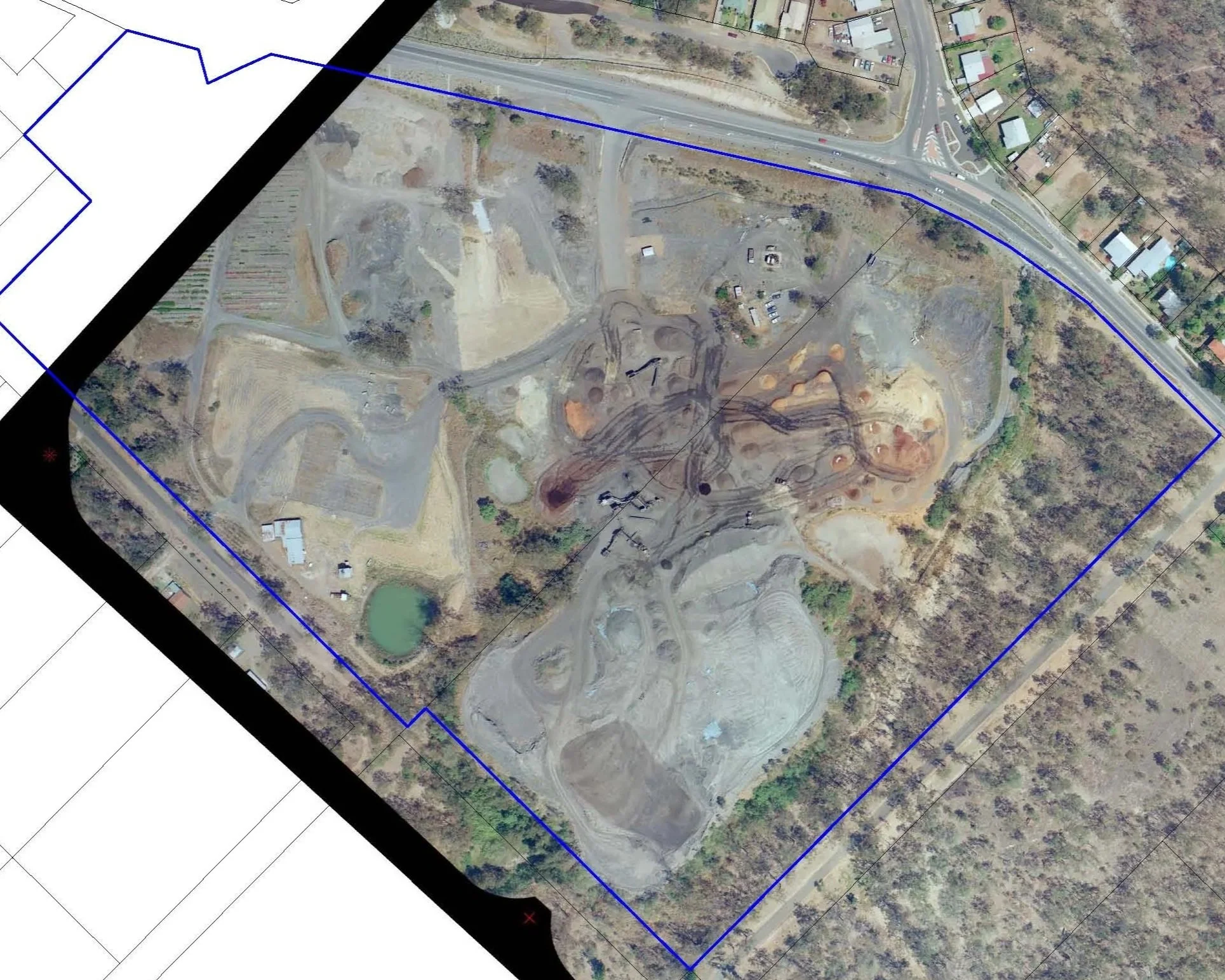
Tivoli site 2000 (bulk material handling facility)
-
![]()
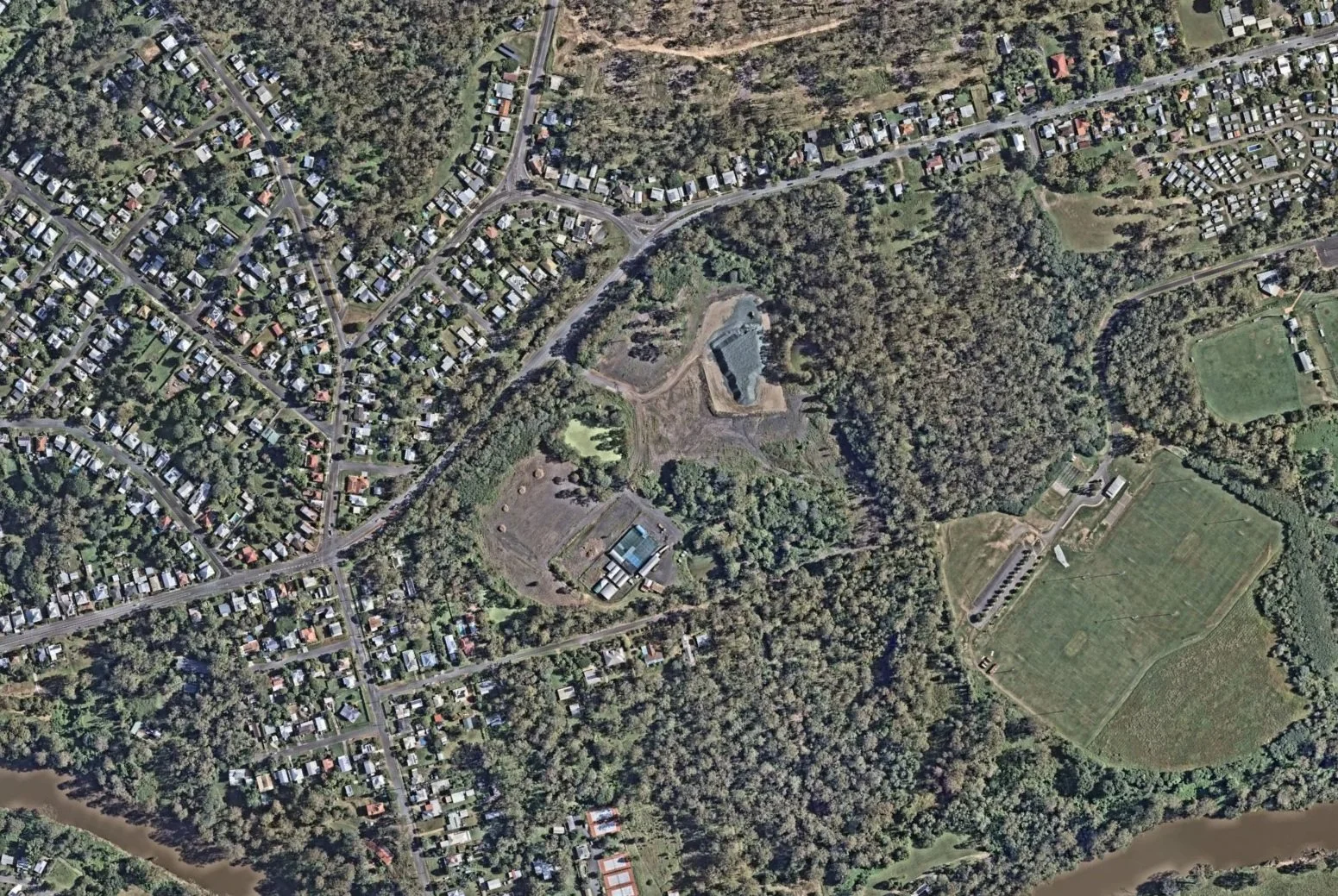
Tivoli Site 2025
Who We Are
Pacific Green Industries is a Queensland owned and operated company, currently holding a government-approved, non-hazardous resource called Ferro Nickel Slag (FNS) at its Tivoli site. The land was previously used for extensive underground coal mining operations for around 100 years between the 1870’s and 1970’s.
FNS is a usable by-product of nickel refining and the material is classified by both the Australian Federal Government and the Queensland Government as an environmentally friendly resource which plays an important role in Queensland’s circular economy.
FNS meets strict environmental criteria and has been used safely and successfully for decades in bricks, blocks, concrete sleepers, roof tiles, land reclamation, marine projects and other construction applications across the USA, Middle East, Asia and the Pacific.
The owners of the Tivoli site are committed to ensuring the material is stored, handled and transported responsibly. Robust environmental safeguards are in place, including erosion and sediment controls, dust suppression, noise mitigation and carefully managed truck movements.
With established demand and clear environmental approvals, the material will not remain unused or abandoned; instead, it is a premium low carbon resource which will continue to support Queensland’s transition toward greener construction practices.
Environment and Circular Economy
The ferroNickel and the slag are produced in compliance with strict environment regulation.
The process is ISO 9000 and ISO 14001 certified. The environmental certification of VPI’s operations is in progress.
Partners
Approvals
Domestic
Ferro Nickel Slag has achieved key regulatory approvals that support its safe and compliant use in Queensland and Australia. The material has been approved under the Queensland End of Waste Code ENEW07576219, formally recognising FNS as a legitimate resource. This approval confirms that FNS meets strict environmental, quality, and handling requirements, enabling its use in a wide range of construction and civil engineering applications.In addition, FNS complies with Australian Standards for aggregates and is subject to ongoing quality control testing. These approvals provide confidence to regulators, industry, and the community that FNS is a safe, tested, and well-governed material suitable for long-term use.
QLD state government end of Waste Code approval - ENEW07576219
Australian government non hazardous approval - Ref 15/017913
International
USA
AMPP SSPC - AB1 - Qualified product program - Mineral slag abrasive
CARB - Californian air board association
USA Department of Navy approval - MIL - PRF - 22262C
USA Military approval - MIL - PRF - 22262C
Europe
ISO 9000 and ISO 14001 process certification
French construction materials approval - No. 2024-4746/GNC - Pr
Frequently Asked Questions
-
Ferro Nickel Slag (FNS) is a sand-like, granulated by-product generated during the nickel smelting process. The material has been used safely and effectively for decades across construction, civil, and marine applications. FNS is extremely clean and inert, containing no organics, clay, or leachable elements and requires no washing or pre-treatment prior to use.
With consistent chemical and physical properties over time, FNS meets Australian Standard AS 2758.1 for aggregates and is qualified for use as a direct replacement for natural sand in construction materials such as concrete, road base, drainage, and fill applications. Stored and distributed from Tivoli, Ipswich, FNS provides a reliable, high-quality alternative to increasingly scarce natural sand resources.
-
Yes. Ferro Nickel Slag is widely recognised as an environmentally responsible material that supports circular economy principles. As a 100% recycled by-product, FNS reduces reliance on finite natural sand and aggregate reserves.
FNS is inert, non-toxic, and contains no leachable contaminants, making it safe for use in sensitive environments. Its low water absorption ratio and high durability improve concrete performance and longevity, reducing maintenance and lifecycle impacts.
By substituting quarried sand and reducing clinker usage in cement, FNS contributes to lower embodied carbon outcomes in construction. Independent testing and decades of real-world use confirm that FNS delivers environmental benefits without compromising performance—making it a genuine green innovation for modern infrastructure and building materials.
-
Ferro Nickel Slag has achieved key regulatory approvals that support its safe and compliant use in Queensland and Australia. The material has been approved under the Queensland End of Waste Code ENEW07576219, formally recognising FNS as a legitimate resource.
This approval confirms that FNS meets strict environmental, quality, and handling requirements, enabling its use in a wide range of construction and civil engineering applications.
In addition, FNS complies with Australian Standards for aggregates and is subject to ongoing quality control testing. These approvals provide confidence to regulators, industry, and the community that FNS is a safe, tested, and well-governed material suitable for long-term use.
-
Global demand for sand is increasing rapidly, with natural reserves becoming increasingly scarce and environmentally constrained. Sand is now the third most used resource in the world, creating significant supply and sustainability challenges for the construction industry.
FNS offers a credible and consistent long-term alternative. In Australia, demand is driven by the need for low-carbon construction materials, increased recycled content, and secure supply chains. Major manufacturers, including some of the largest construction materials companies in Australia have validated FNS across concrete sleepers, pavers, roof tiles, and blocks, often finding it outperforms natural sand. This growing acceptance positions FNS as a critical material for future infrastructure and housing delivery.
-
The Tivoli, Ipswich site operates as a warehouse for the storage and distribution of Ferro Nickel Slag, with vehicle and equipment activities carefully managed to minimise impacts. Up to three pad sites are available, with only one pad to be used for stockpiled FNS .
Inward deliveries of FNS occur infrequently (around once every 2 years) while outward distribution currently averages 5–6 trucks per week. All activity is contained within previously mined and disturbed areas, with surrounding vegetation and environmental values fully protected.